It is easy to overlook what happens beneath your home until something goes wrong. Drains start slowing down, unpleasant odors appear, or water begins backing up at the worst possible time. These warning signs often point to one overlooked but essential task, septic pumping. Understanding the septic pumping process can help you avoid these issues and keep your system running smoothly.
Septic pumping is a routine maintenance procedure that removes accumulated waste from your septic tank. Over time, solid materials build up and reduce the tank’s efficiency. Pumping ensures that your system continues to function properly and prevents costly repairs. Visit https://septic-guys.com/ for more information.
Understanding the Purpose of Septic Pumping
A septic system is designed to separate and treat wastewater, but it cannot eliminate all solid waste. Sludge builds up at the bottom of the tank, while scum forms at the top. If these layers become too thick, they can interfere with the system’s operation.
Septic pumping removes this buildup, restoring the tank’s capacity and preventing overflow. Without regular pumping, solids can enter the drain field and cause serious damage.
The purpose of septic pumping is to maintain the balance of the system, allowing it to process waste efficiently and safely.
Initial Inspection Before Pumping
The septic pumping process begins with an inspection of the system. This step helps determine the condition of the tank and whether pumping is necessary.
The technician locates the septic tank and checks the access points. The levels of sludge and scum are measured to assess how full the tank is.
During the inspection, any signs of damage or potential issues are noted. This may include cracks, leaks, or problems with the inlet and outlet pipes.
This initial assessment ensures that the pumping process is carried out effectively and safely.
Locating and Opening the Septic Tank
Once the inspection is complete, the next step is to locate and access the septic tank. In some cases, the tank lid may be visible, while in others it may be buried beneath the ground.
The area above the tank is carefully exposed to reach the access lid. This step is done with care to avoid damaging the tank or surrounding area.
After the lid is uncovered, it is removed to provide access to the interior of the tank. Safety precautions are taken during this step, as septic gases can be hazardous.
Proper access is essential for a thorough and efficient pumping process.
Pumping Out the Waste
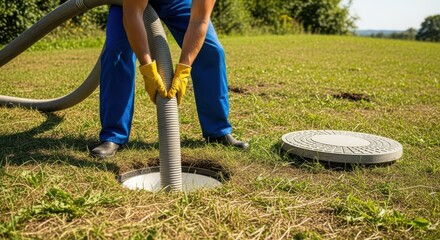
The core step of the process is the removal of waste from the tank. A specialized vacuum truck is used to pump out the contents of the septic tank.
The hose is inserted into the tank, and the sludge, scum, and liquid are extracted. This process removes all accumulated waste, restoring the tank’s capacity.
The technician may stir the contents slightly to ensure that all solids are removed. This helps prevent leftover buildup that could affect performance.
Pumping is done carefully to ensure that the tank is completely emptied without causing damage to the system.
Cleaning and Checking the Tank Interior
After the waste has been removed, the interior of the tank is examined. This step helps identify any issues that may not have been visible during the initial inspection.
The walls and components of the tank are checked for signs of wear or damage. This includes inspecting baffles, which help control the flow of waste.
In some cases, the tank may be rinsed to remove any remaining residue. This ensures that the system is clean and ready for continued use.
A thorough check of the interior helps ensure that the septic system remains in good condition.
Inspecting the Drain Field and System Components
The septic pumping process often includes checking other parts of the system. The drain field is an important component that handles the final stage of wastewater treatment.
The technician may look for signs of issues such as standing water or unusual odors in the drain field area. These can indicate problems with drainage or system overload.
Pipes and connections are also inspected to ensure that they are functioning properly. Identifying issues early helps prevent more serious problems.
This step provides a complete overview of the system’s condition.
Proper Disposal of Waste
Once the waste has been removed from the septic tank, it must be disposed of properly. The contents are transported to a designated facility where they are treated according to regulations.
Proper disposal is essential for protecting the environment and ensuring that waste is handled safely.
This step is an important part of the septic pumping process, as it ensures that all removed materials are managed responsibly.
Closing and Securing the Tank
After the pumping and inspection are complete, the septic tank is carefully closed. The lid is securely replaced to prevent leaks and ensure safety.
The area around the tank is restored to its original condition. This includes covering the tank and ensuring that the ground is stable.
Securing the tank properly helps maintain the integrity of the system and prevents future issues.
How Often Septic Pumping Should Be Done
The frequency of septic pumping depends on factors such as tank size, household size, and water usage. On average, most systems require pumping every three to five years.
Homes with higher water usage or smaller tanks may need more frequent pumping. Regular inspections can help determine the appropriate schedule.
Staying consistent with pumping helps prevent buildup and ensures that the system continues to operate efficiently.
Benefits of Regular Septic Pumping
Regular septic pumping offers several important benefits. It helps prevent backups and unpleasant odors, ensuring a clean and comfortable living environment.
It also protects the drain field by preventing solids from entering and causing damage. This extends the lifespan of the entire system.
Routine maintenance reduces the risk of costly repairs and helps maintain the value of your property.
By keeping your septic system in good condition, you can avoid unexpected problems and ensure reliable performance.
Final Thoughts
The septic pumping process is a vital part of maintaining a healthy and efficient wastewater system. From inspection and waste removal to final checks and proper disposal, each step plays a role in ensuring that the system functions correctly.
Understanding this process helps you recognize the importance of regular maintenance and the role it plays in protecting your home and environment. With proper care and timely pumping, your septic system can continue to operate smoothly for many years.
In the end, septic pumping is not just about removing waste. It is about preserving the balance of your system, preventing problems, and ensuring a safe and comfortable home.